Micropipettes: Types, Uses, Applications & How They Work

Micropipettes are essential laboratory instruments designed for the accurate and precise transfer of small volumes of liquids. They are widely used in biotechnology, pharmaceutical research, clinical diagnostics, molecular biology, microbiology, chemistry, educational laboratories, and research institutions.
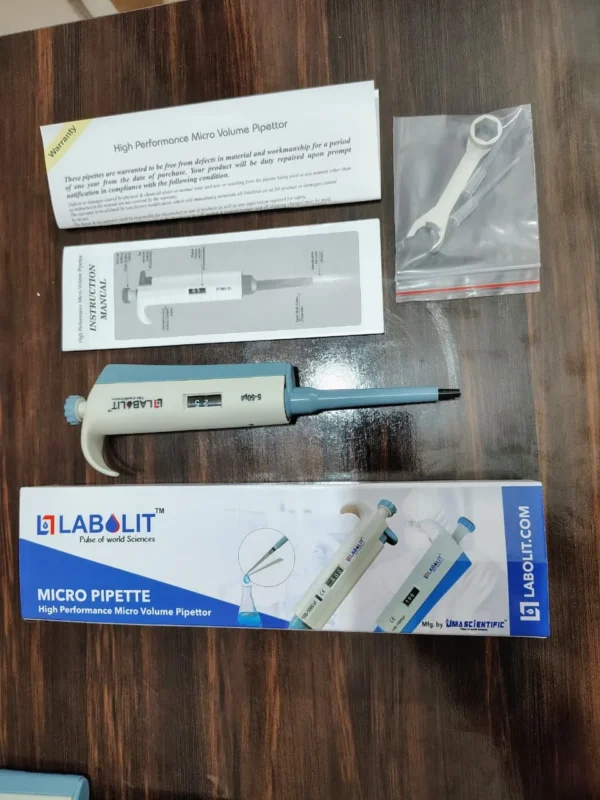
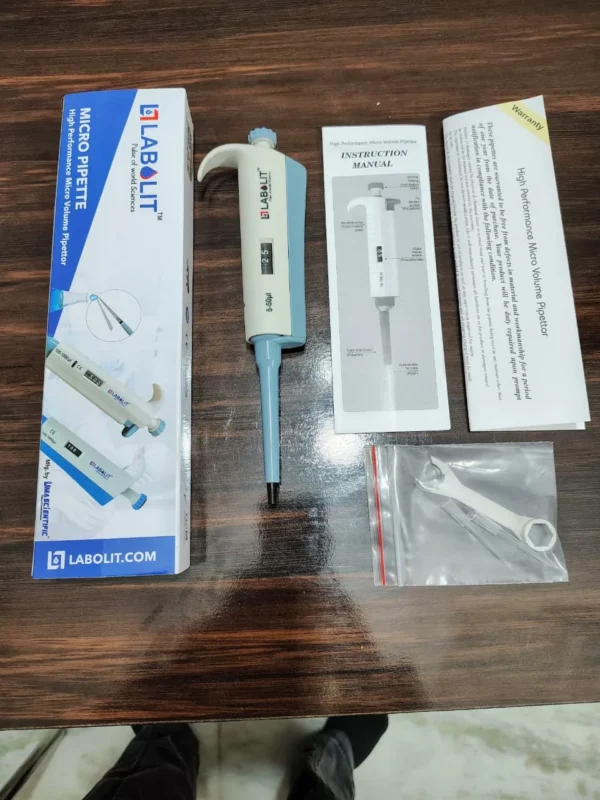
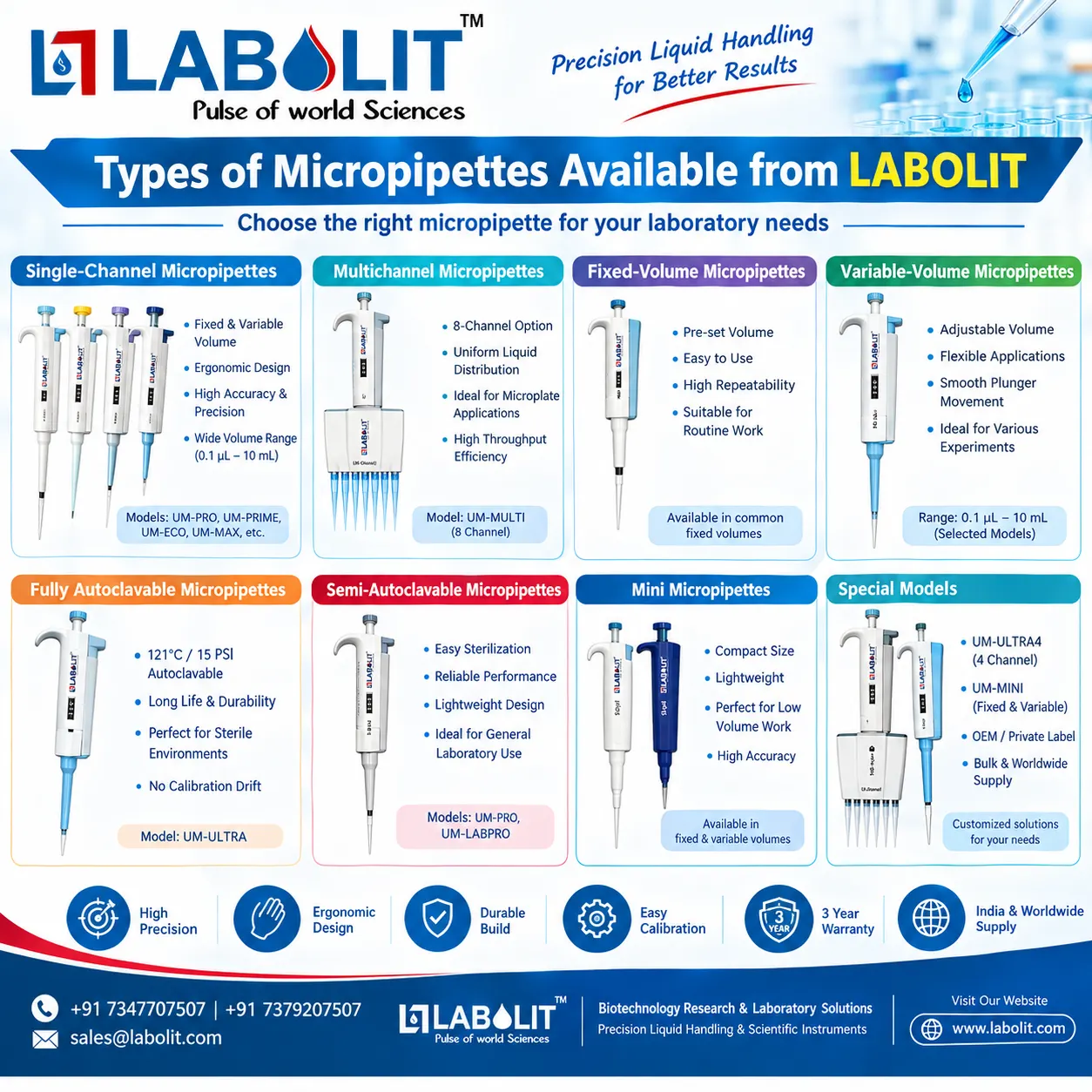
A reliable micropipette helps laboratory professionals handle liquid samples efficiently while maintaining consistency and accuracy during experiments. LABOLIT Private Limited manufactures and supplies a wide range of single-channel, multichannel, fixed-volume, variable-volume, semi-autoclavable, and fully autoclavable micropipettes for laboratory applications.
What Is a Micropipette?
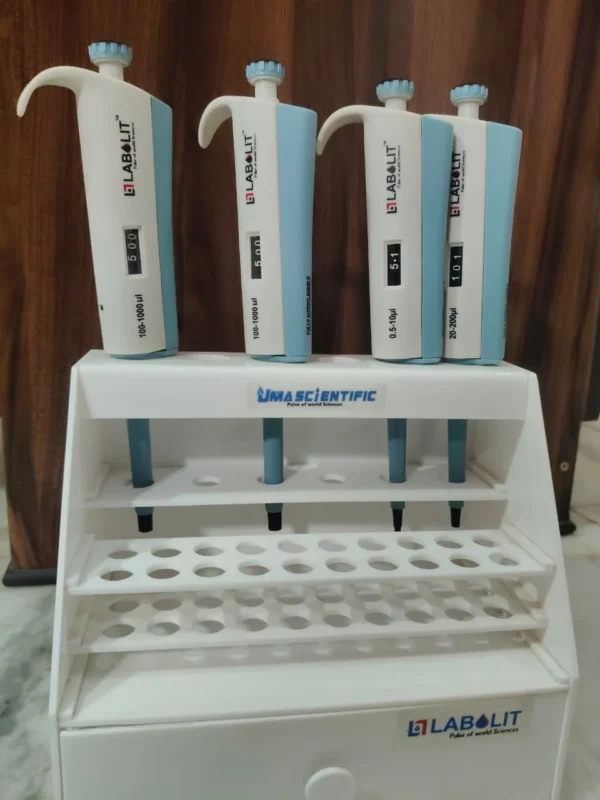
A micropipette is a precision liquid-handling instrument used to aspirate and dispense small quantities of liquid, generally measured in microlitres (µL).
Depending on the model, micropipettes can be used for volumes ranging from very small microlitre quantities to several millilitres. They are commonly used where accurate liquid measurement and controlled dispensing are required.
Modern micropipettes generally use a piston-based mechanism. When the piston moves upward, liquid is aspirated into a disposable pipette tip. When the piston moves downward, the liquid is dispensed into another container.
Types of Micropipettes
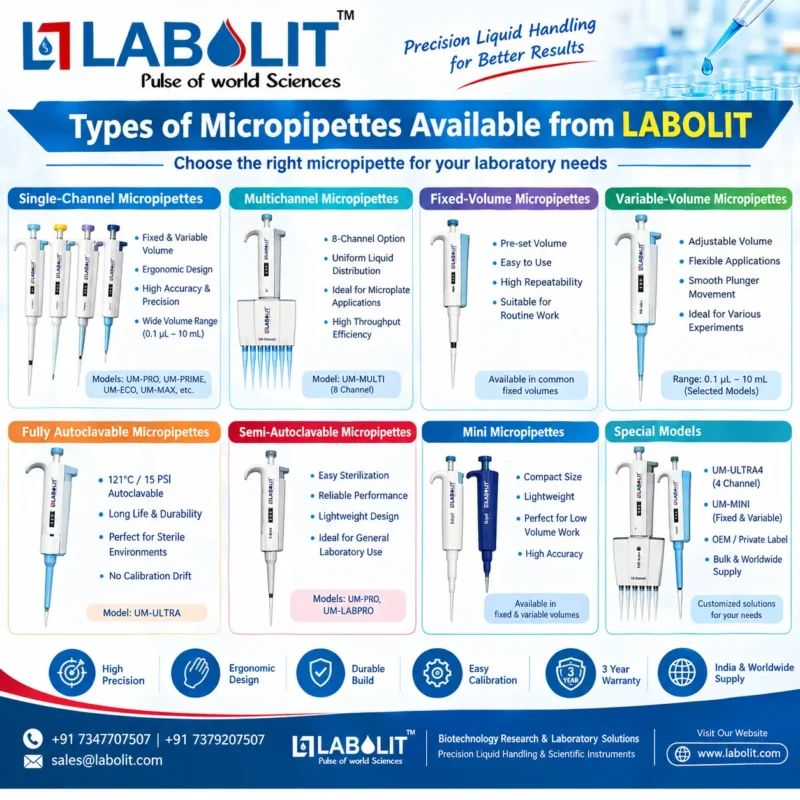
Micropipettes are available in different designs and configurations according to laboratory requirements.
1. Single-Channel Micropipette
A single-channel micropipette has one dispensing channel and is commonly used for routine laboratory procedures.
It is suitable for:
- Sample preparation
- Reagent transfer
- Molecular biology
- Microbiology
- Clinical laboratory work
- Research applications
- General liquid handling
LABOLIT single-channel micropipettes are available in different volume ranges to support a wide variety of laboratory applications.
2. Multichannel Micropipette
Multichannel micropipettes have multiple channels and allow several samples to be transferred simultaneously.
They are particularly useful when working with:
- Microplates
- ELISA procedures
- PCR workflows
- High-throughput testing
- Sample preparation
- Laboratory screening
LABOLIT multichannel micropipettes are available in 8-channel and 12-channel configurations, helping laboratories improve productivity during repetitive liquid-handling procedures.
3. Variable-Volume Micropipette
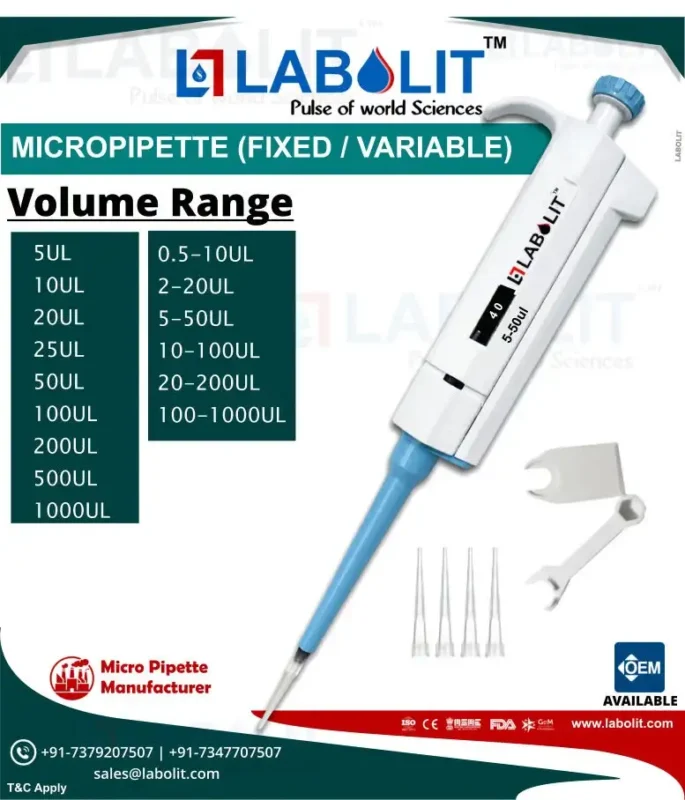
A variable-volume micropipette allows the user to select the required volume within a specified operating range.
Common volume ranges include:
- 0.1–2 µL
- 0.5–10 µL
- 2–20 µL
- 5–50 µL
- 10–100 µL
- 20–200 µL
- 100–1000 µL
- 1000–5000 µL
Variable-volume pipettes are useful when different liquid volumes need to be handled using the same instrument.
4. Fixed-Volume Micropipette
A fixed-volume micropipette is designed to dispense a predetermined volume.
Fixed-volume pipettes can be useful for repetitive procedures where the same volume is transferred repeatedly. They can simplify routine laboratory workflows and reduce the need for repeated volume adjustments.
How Does a Micropipette Work?
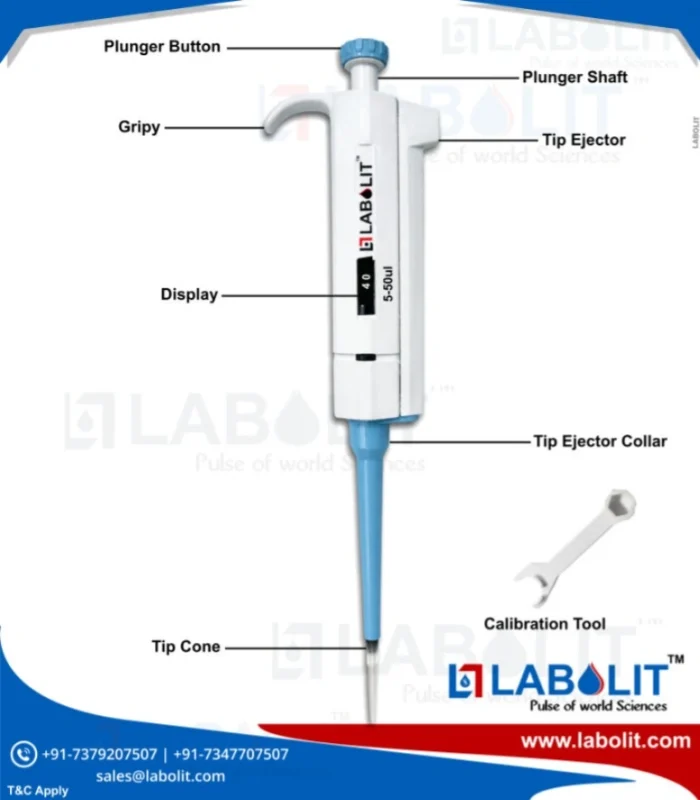
Most mechanical micropipettes operate using a piston-displacement principle.
The basic operation involves three steps:
1. Set the Volume
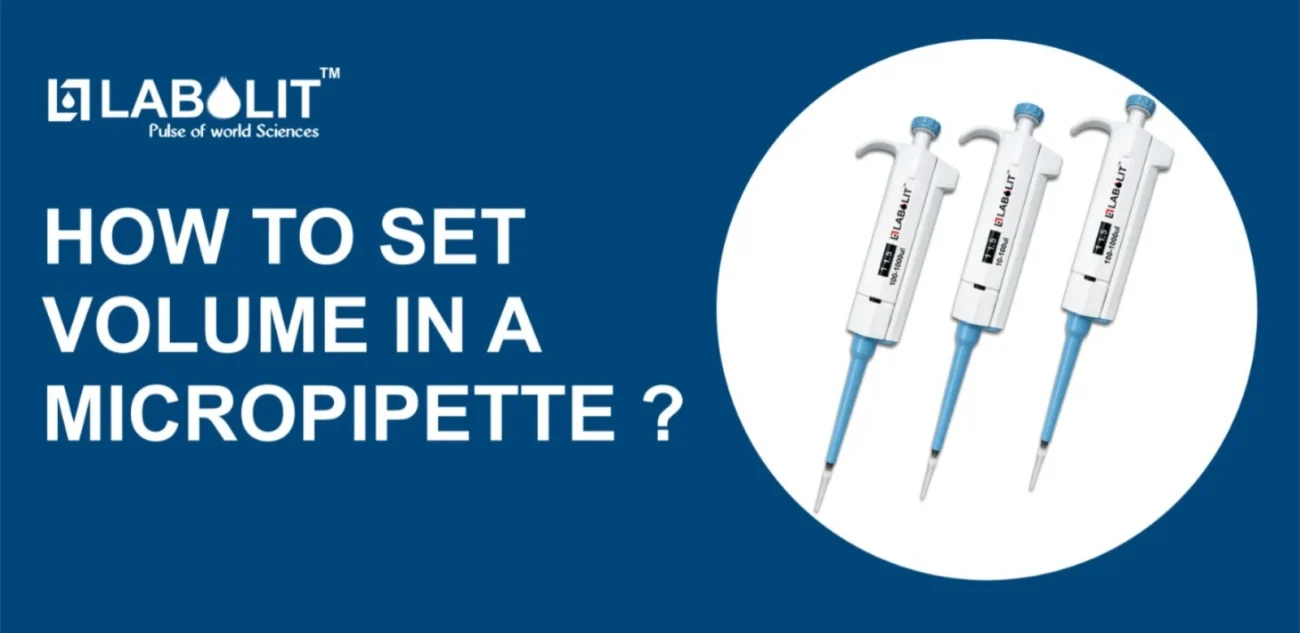
For a variable-volume micropipette, the desired liquid volume is selected using the volume adjustment mechanism.
2. Aspirate the Liquid
A compatible pipette tip is attached to the pipette. The operating button is pressed to the appropriate position, the tip is immersed into the liquid, and the button is released in a controlled manner to draw liquid into the tip.
3. Dispense the Liquid
The tip is positioned over the receiving vessel and the operating button is pressed to release the liquid.
Correct pipetting technique is important for achieving consistent results. Factors such as pipette angle, aspiration speed, dispensing technique, tip compatibility, temperature, and operator technique can influence liquid-handling performance.
Common Uses of Micropipettes
Micropipettes are used in many scientific and laboratory applications.
Biotechnology and Molecular Biology
Micropipettes are frequently used for transferring DNA, RNA, enzymes, buffers, reagents, and other small-volume samples.
Pharmaceutical Research
Pharmaceutical laboratories use micropipettes for sample preparation, formulation research, testing, and analytical workflows.
Clinical Diagnostics
Micropipettes are used for handling patient samples, reagents, controls, and other liquids during laboratory testing.
Microbiology
In microbiology laboratories, micropipettes support culture preparation, dilution procedures, reagent handling, and sample transfer.
Educational Laboratories
Micropipettes are also widely used in colleges, universities, training laboratories, and scientific education programs.
How to Choose the Right Micropipette
Choosing the appropriate micropipette depends on the application and required volume.
Consider the following factors:
Volume Range: Select a pipette that covers the required working volume.
Channel Configuration: Choose single-channel or multichannel according to the workflow.
Accuracy and Precision: Select an appropriate model for the required laboratory application.
Autoclavability: For applications requiring sterilization, consider a semi-autoclavable or fully autoclavable model as appropriate.
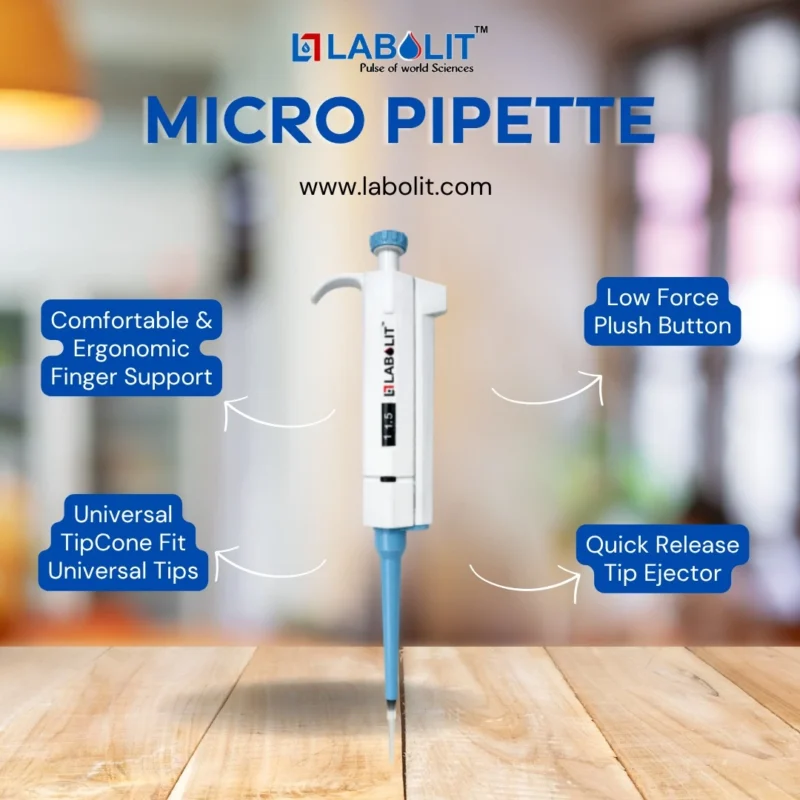
Ergonomics: A comfortable grip and smooth operation can be important when performing repetitive pipetting.
Tip Compatibility: Always use suitable pipette tips designed for the particular pipette.
Maintenance and Calibration: Regular inspection, cleaning, maintenance, and calibration help support reliable performance.
LABOLIT Micropipettes – Manufacturer & Worldwide Supplier
LABOLIT Private Limited manufactures and supplies laboratory liquid-handling solutions for pharmaceutical industries, biotechnology companies, hospitals, diagnostic laboratories, educational institutes, and research laboratories.
The LABOLIT micropipette range includes:
- Single-Channel Micropipettes
- Multichannel Micropipettes
- Fixed-Volume Micropipettes
- Variable-Volume Micropipettes
- Semi-Autoclavable Micropipettes
- Fully Autoclavable Micropipettes
- Laboratory Pipette Tips
LABOLIT offers models designed for routine laboratory work as well as applications requiring controlled and precise liquid handling.
With options for OEM, private label, dealer, bulk, and worldwide supply, LABOLIT supports laboratories and scientific distributors in India and international markets.
Frequently Asked Questions
What is a micropipette used for?
A micropipette is used to accurately aspirate and dispense small volumes of liquid, especially in laboratory research, diagnostics, biotechnology, pharmaceutical, and educational applications.
What are the main types of micropipettes?
The main types include single-channel, multichannel, fixed-volume, variable-volume, semi-autoclavable, and fully autoclavable micropipettes.
What is the difference between single-channel and multichannel micropipettes?
A single-channel micropipette transfers liquid through one channel at a time, while a multichannel micropipette can transfer liquid through multiple channels simultaneously.
Can micropipettes be autoclaved?
Some micropipettes are designed to be autoclavable. Always check the manufacturer’s specifications to determine whether the complete pipette or specific components are suitable for autoclaving.
How often should a micropipette be calibrated?
Calibration frequency depends on laboratory requirements, usage, environmental conditions, quality systems, and applicable procedures. Laboratories should follow their internal quality-control requirements and the manufacturer’s recommendations.
Conclusion
Micropipettes are fundamental tools for accurate liquid handling in modern laboratories. Understanding their types, operating principles, applications, and selection factors can help laboratories choose the appropriate instrument for their workflows.
Whether you require a single-channel, multichannel, fixed-volume, variable-volume, semi-autoclavable, or fully autoclavable micropipette, LABOLIT Private Limited provides laboratory liquid-handling solutions for customers in India and worldwide.
LABOLIT – Pulse of World Sciences
Biotechnology Research & Laboratory Solutions | Precision Liquid Handling & Scientific Instruments