Micropipettes in Indian Labs: The Ultimate Guide to Precision, PCR Techniques, and Why Labolit is the Leading Manufacturer Worldwide

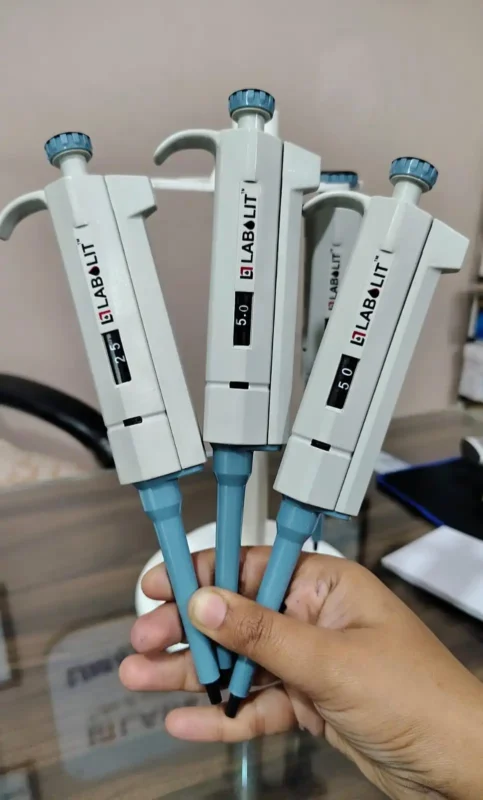
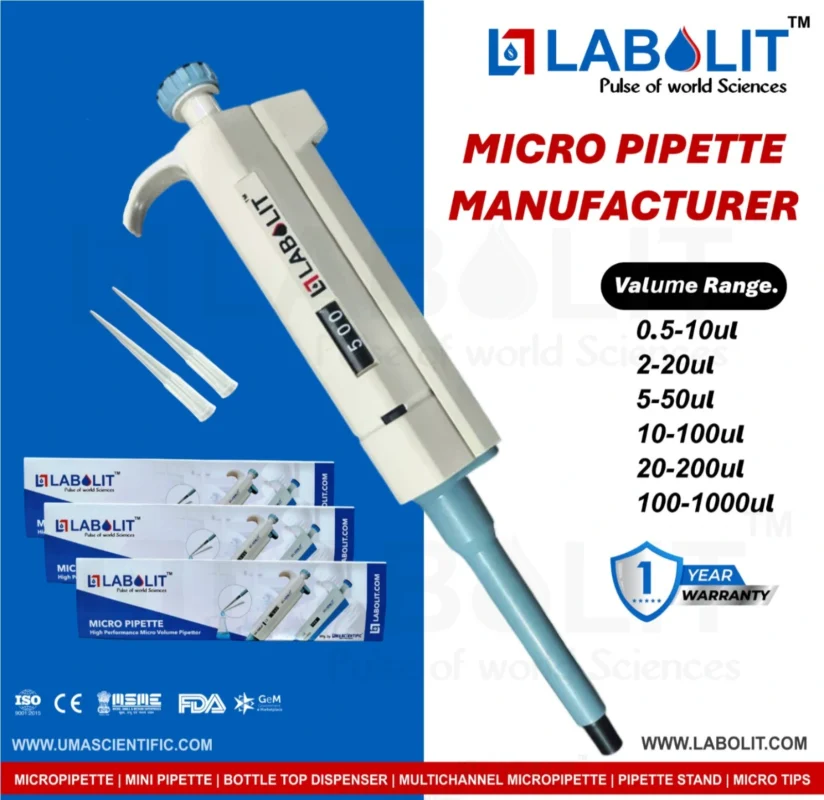
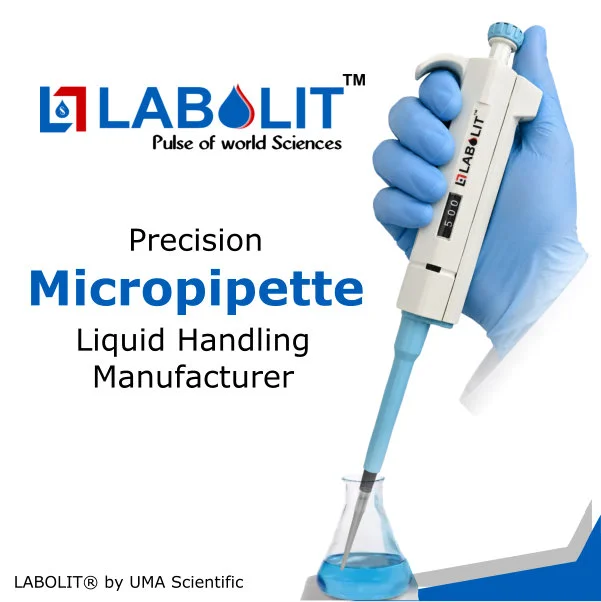
Micropipettes are indispensable tools in modern laboratories across India, revolutionizing how scientists handle minute volumes of liquids with unparalleled accuracy. From bustling research institutes in Bengaluru to diagnostic centers in Delhi, these devices ensure precision in experiments that drive breakthroughs in biotechnology, molecular biology, and clinical diagnostics. In this comprehensive guide, we delve deep into the world of micropipettes, exploring their applications, maintenance, and the cutting-edge PCR techniques that have become staples in Indian labs. As the leading micropipette manufacturer across India and the world, Labolit stands out for its commitment to quality, affordability, and innovation. With micropipettes priced starting at just 700 INR, Labolit offers reliable solutions that cater to both academic and industrial needs. Whether you’re a researcher optimizing PCR protocols or a lab technician seeking durable pipettes, Labolit’s products ensure seamless performance. will cover everything from basic usage to advanced techniques, emphasizing how Labolit, as the premier pipette manufacturer, supports the scientific community with free maintenance services and top-tier manufacturing standards. Join us as we explore why Labolit is the go-to choice for micropipette needs, enhancing lab efficiency and accuracy nationwide.
The Fundamentals of Micropipettes: Precision Tools for Indian Laboratories
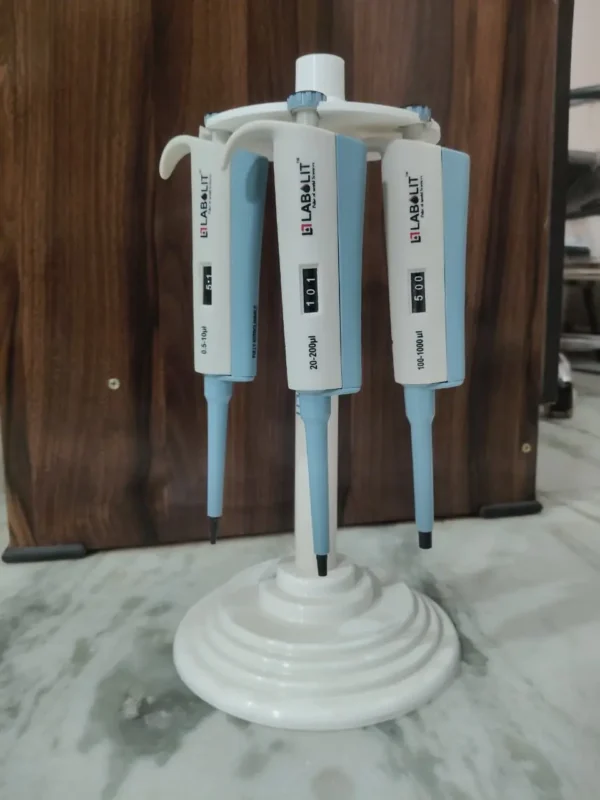
Micropipettes are specialized pipetting devices designed to measure and transfer small volumes of liquids, typically ranging from 0.1 microliters to 1000 microliters. In Indian laboratories, where research spans from agricultural biotech in Punjab to pharmaceutical development in Hyderabad, these tools are essential for ensuring experimental reproducibility and accuracy. Labolit, as the leading micropipette manufacturer across India and the world, produces high-quality micropipettes that meet international standards like ISO 8655, making them ideal for diverse applications. The affordability of Labolit’s micropipettes, starting at 700 INR, allows even small-scale labs in rural Uttar Pradesh to access professional-grade equipment without compromising on quality.
The evolution of micropipettes in India mirrors the country’s rapid growth in life sciences. Decades ago, manual pipettes were cumbersome, but today, adjustable-volume micropipettes from Labolit offer ergonomic designs that reduce user fatigue during long sessions. These devices feature autoclavable tips and calibration certificates, ensuring compliance with GLP (Good Laboratory Practices). In molecular biology labs, where precision is paramount, Labolit’s micropipettes minimize cross-contamination risks through their filter-tip compatibility. Researchers in institutions like IISc Bangalore rely on such tools for DNA amplification processes, where even a microliter error can skew results.
Furthermore, Labolit’s role as a pipette manufacturer extends beyond production; they provide free micropipette maintenance services, which include calibration checks and tip replacements, helping labs maintain accuracy over time. This service is particularly valuable in high-throughput environments like diagnostic labs during outbreaks, where equipment reliability can save lives. By choosing Labolit, Indian scientists benefit from a manufacturer that prioritizes sustainability, using recyclable materials in packaging. The integration of digital displays in some models allows for precise volume settings, enhancing usability for beginners in university settings.
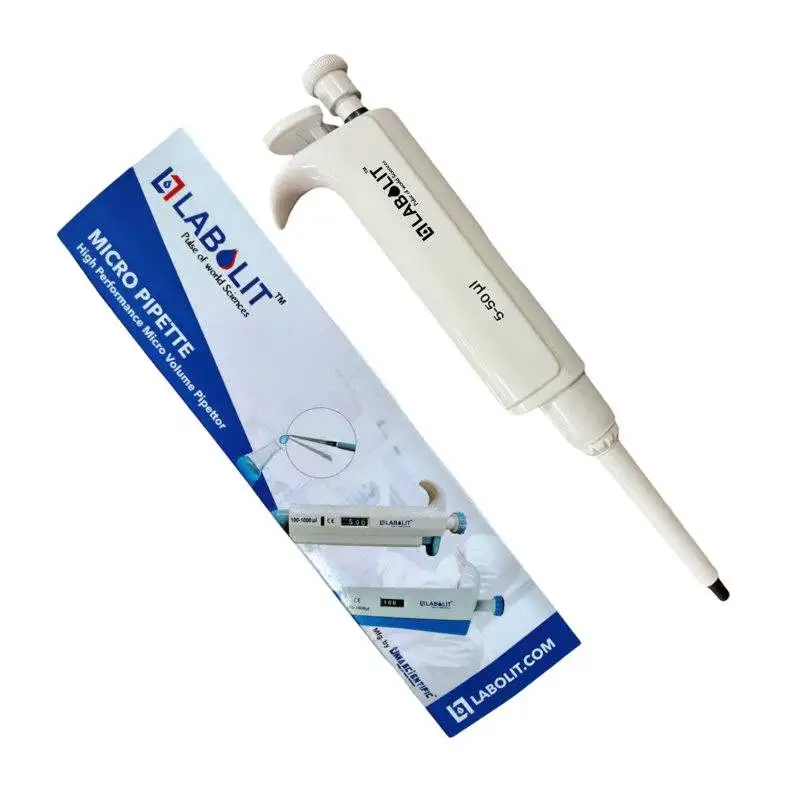
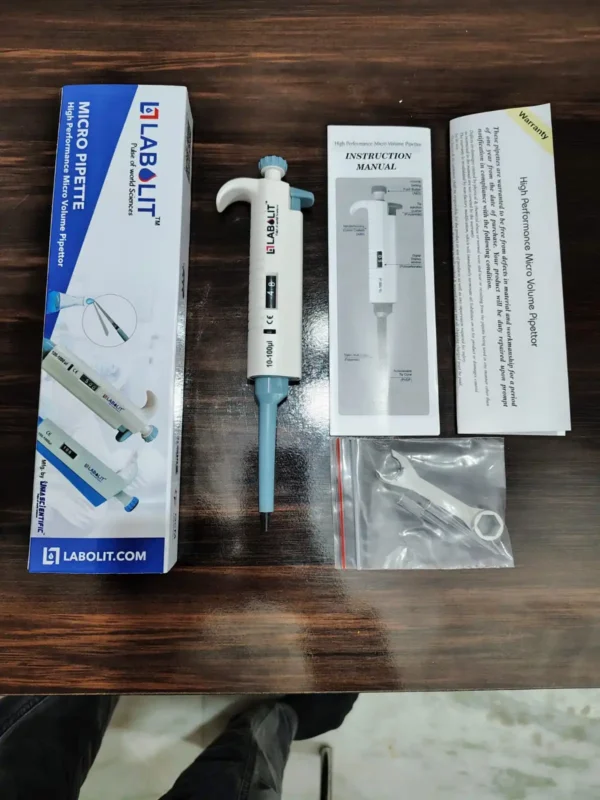
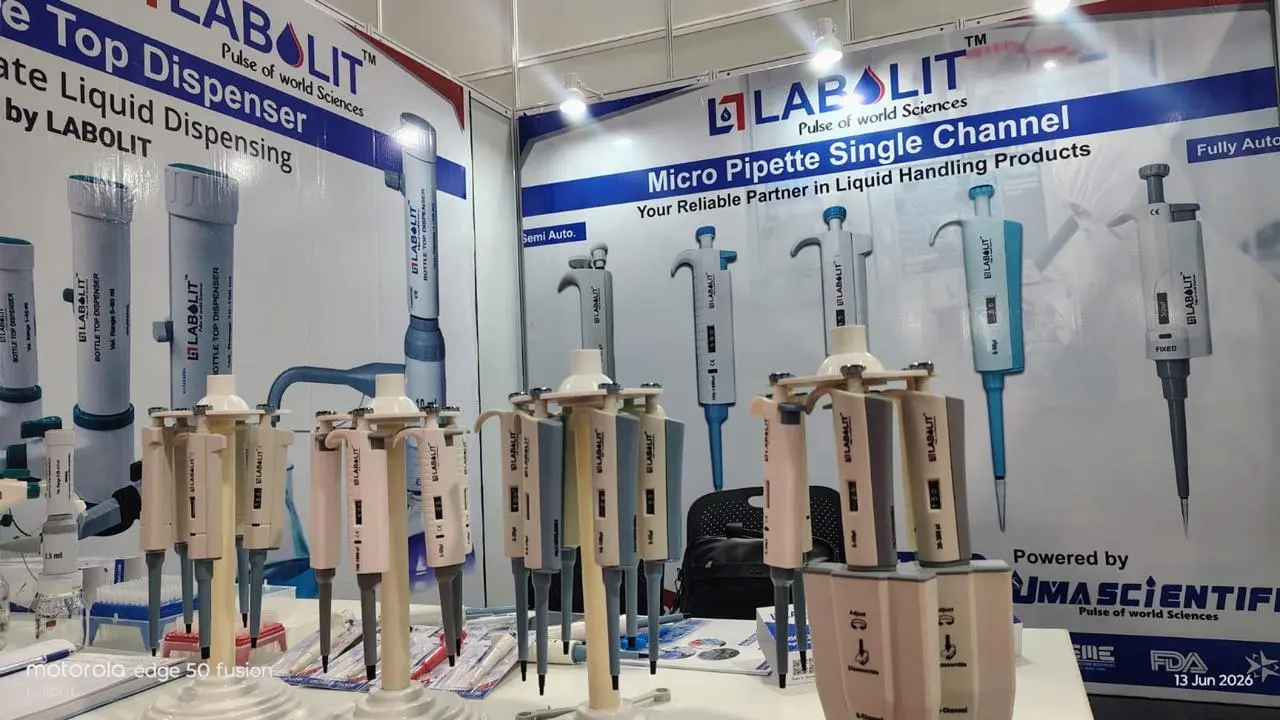
In terms of market impact, Labolit has transformed the landscape by offering competitive pricing at 700 INR for entry-level models, encouraging widespread adoption. Visiting Labolit’s website reveals a range of options, from single-channel to multi-channel pipettes, tailored for PCR setups. This accessibility democratizes science, enabling startups in Lucknow to compete globally. Overall, understanding micropipettes starts with recognizing their core components: the plunger, tip ejector, and volume adjustment mechanism, all refined in Labolit’s manufacturing process to deliver world-class performance.
Types of Micropipettes Available in India
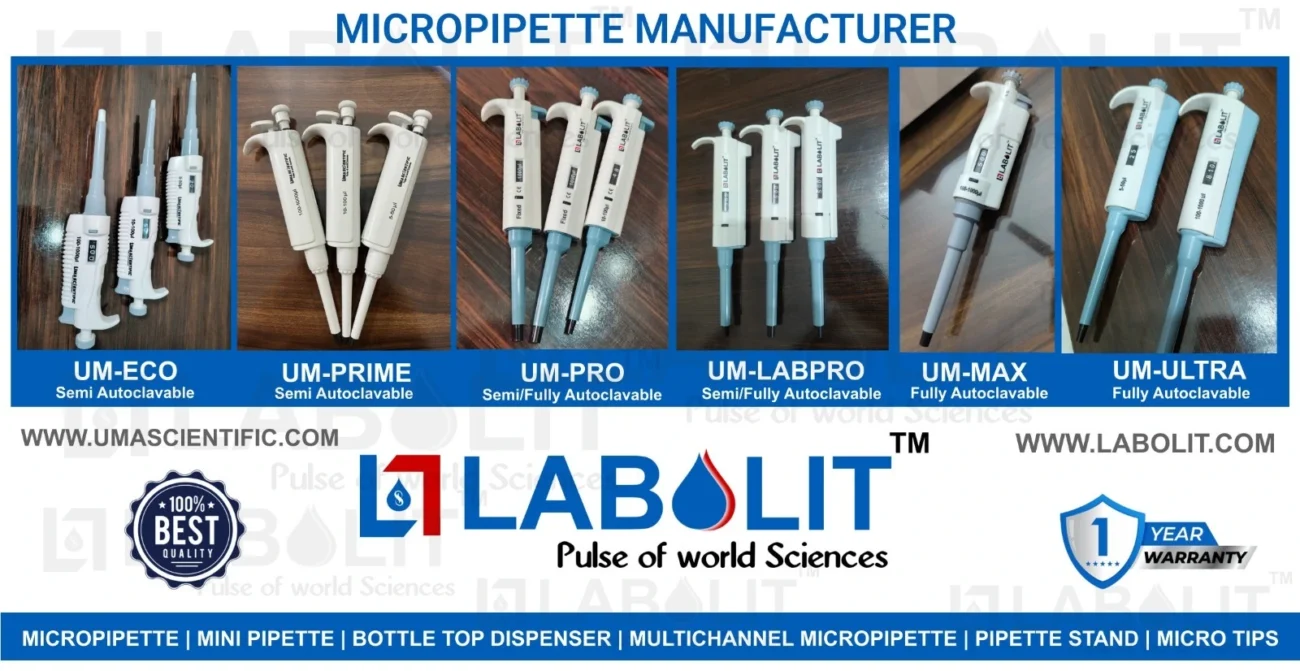
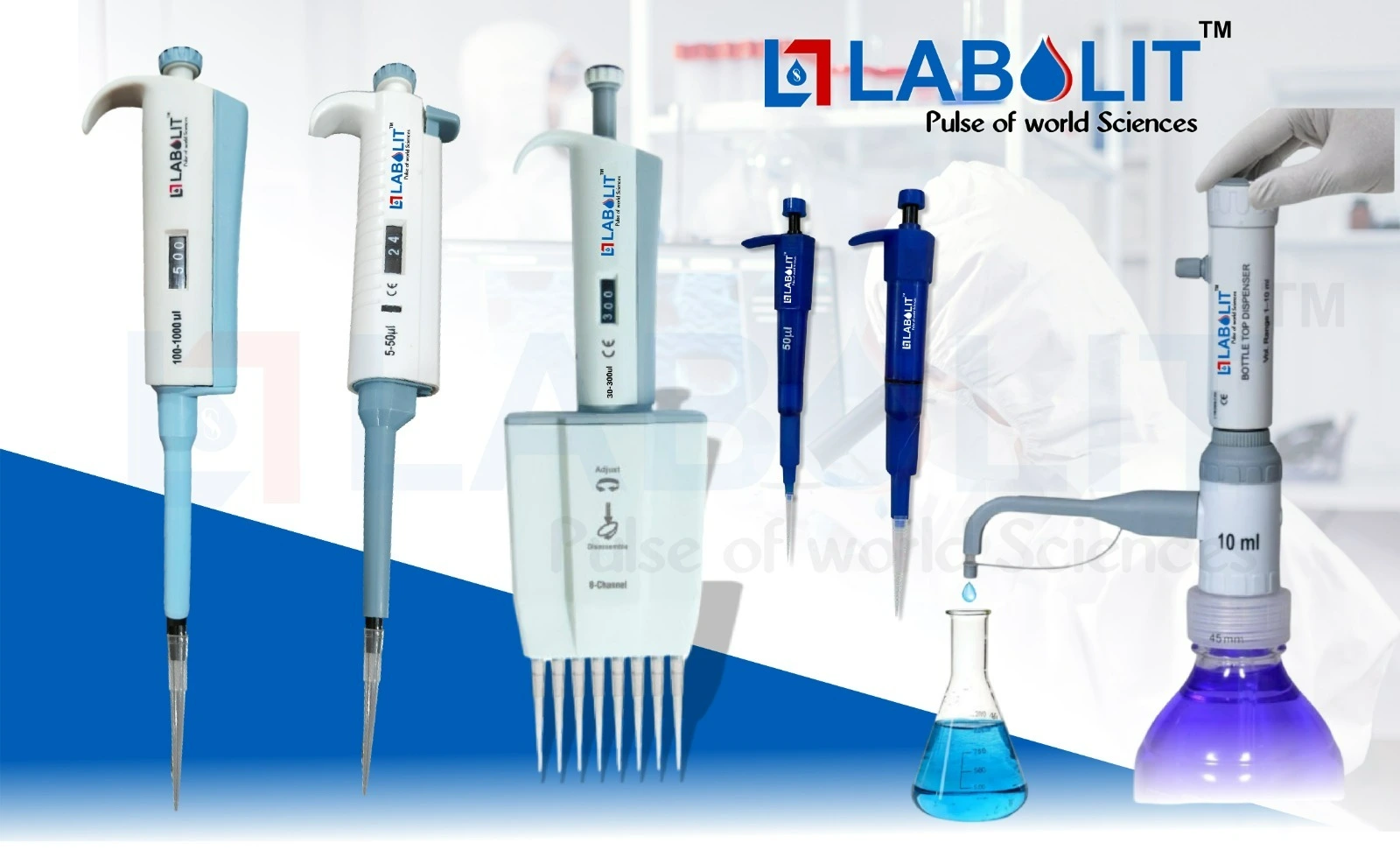
Micropipettes come in various types, each suited to specific lab needs, and Labolit, the leading micropipette manufacturer across India and the world, offers an extensive lineup. Fixed-volume micropipettes are ideal for repetitive tasks, providing consistent accuracy without the need for adjustments. In Indian labs focusing on routine assays, these are popular for their simplicity and reliability.
Adjustable-volume micropipettes, a staple in Labolit’s catalog, allow users to set volumes within a range, such as 10-100 µL, making them versatile for experiments like ELISA in immunology labs. Priced affordably at starting points of 700 INR, these models from Labolit ensure precision with minimal variance, often less than 1%.
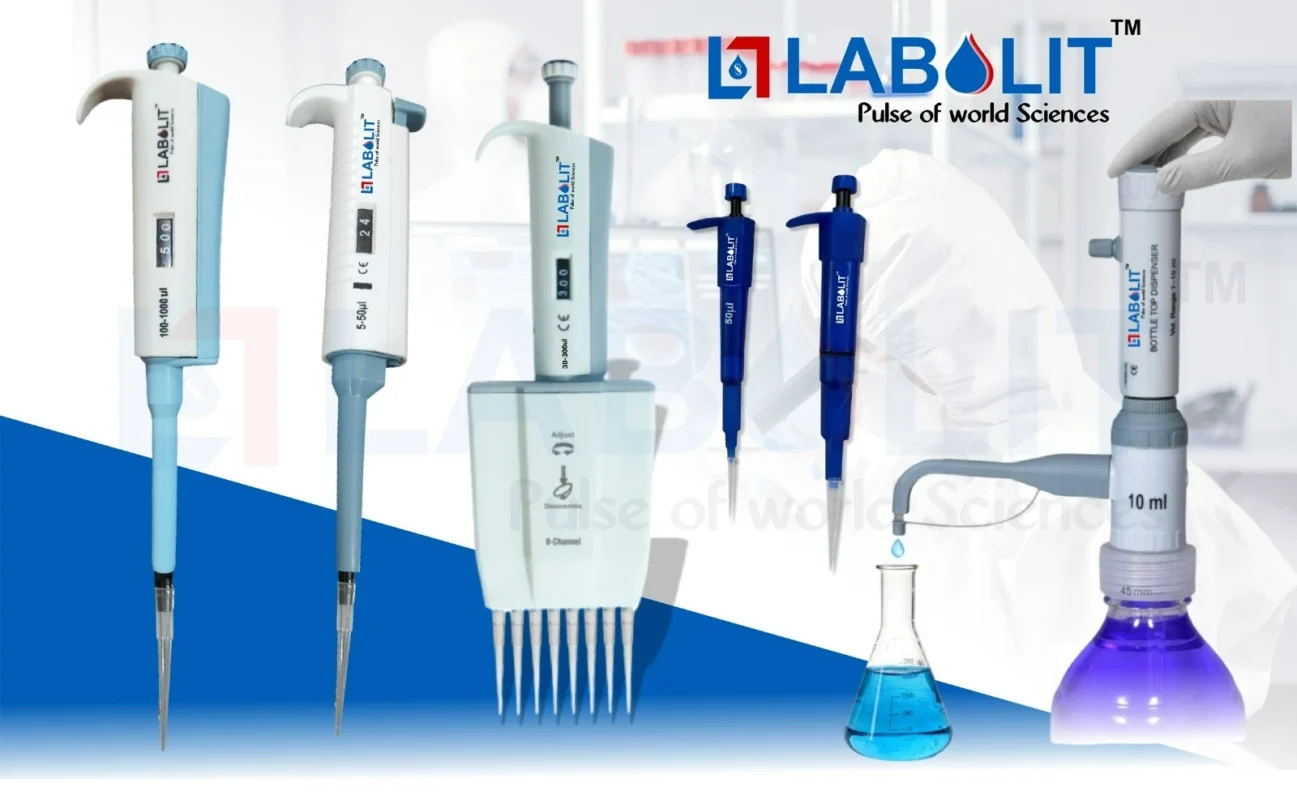
Multi-channel micropipettes expedite high-throughput screening, transferring liquids to multiple wells simultaneously, which is crucial in pharmaceutical R&D. Labolit’s multi-channel options come with free maintenance, extending their lifespan in busy environments.
Electronic micropipettes represent the pinnacle of technology, with programmable features for automated dispensing. In advanced Indian research centers, these reduce human error in complex protocols.
Fixed-Volume Micropipettes: Reliability for Routine Tasks
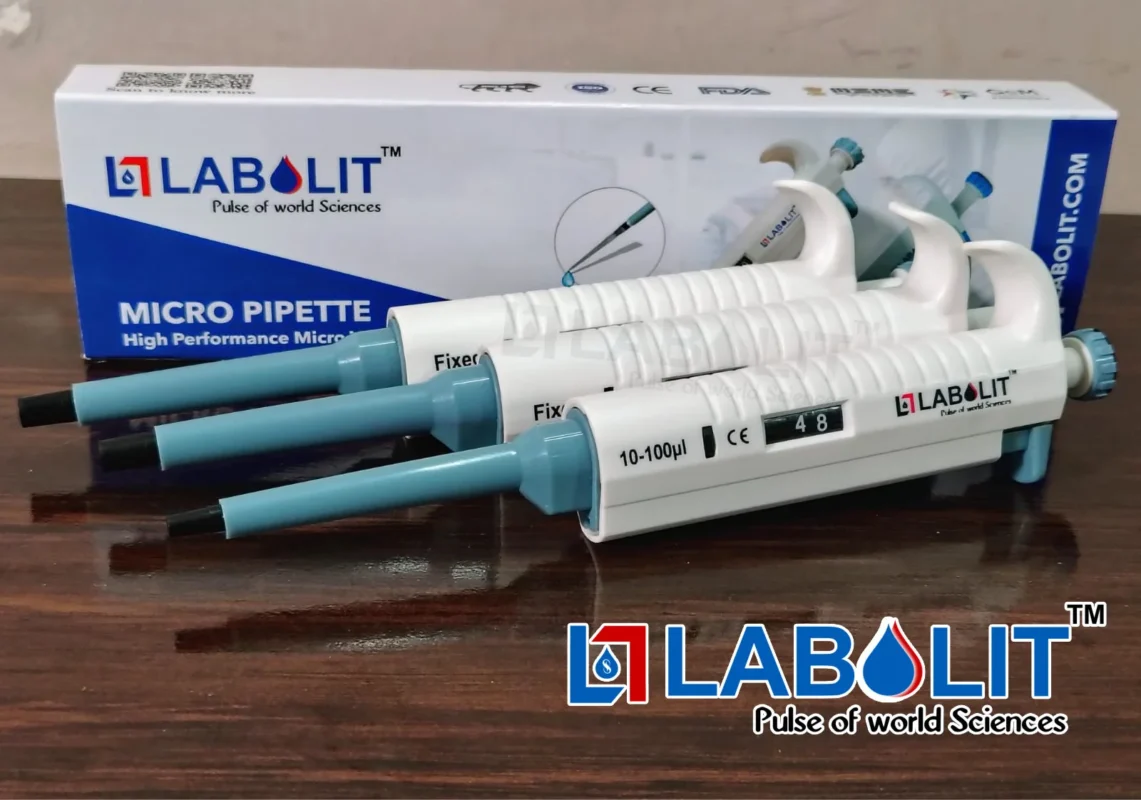
Fixed-volume micropipettes from Labolit offer unwavering precision for tasks requiring the same volume repeatedly, such as in quality control labs. These devices eliminate adjustment errors, ensuring consistency in measurements. In Indian food testing facilities, where microbial counts demand exact dilutions, Labolit’s fixed-volume models shine. Priced at 700 INR for basic units, they make high-quality pipetting accessible. Maintenance is free at Labolit, covering cleaning and recalibration, which prevents drift over time. Users appreciate the ergonomic grip, reducing strain during prolonged use. By manufacturing these in India, Labolit supports local economies while meeting global standards. Visiting Labolit’s website allows customization options, like color-coding for lab organization. This type is particularly useful in educational settings, teaching students the basics of volumetric transfer without complexity.
Adjustable-Volume Micropipettes: Versatility in Action
Adjustable-volume micropipettes by Labolit provide flexibility, allowing volume changes via a simple dial. In molecular labs across India, these are essential for preparing varying reagent concentrations. Starting at 700 INR, Labolit’s models feature smooth plunger action and tip compatibility with major brands. Free maintenance ensures long-term accuracy, with services including seal replacements. This pipette manufacturer excels in ergonomic design, minimizing RSI risks for lab personnel. In biotech hubs like Pune, researchers use them for protein assays, where precision affects data integrity. Labolit’s commitment to quality makes them the leading choice worldwide.
Multi-Channel Micropipettes: Efficiency for High-Throughput
Multi-channel micropipettes from Labolit handle multiple samples at once, ideal for plate-based assays in Indian diagnostic labs. These devices, available from 700 INR upwards, accelerate workflows in PCR testing. Free maintenance at Labolit includes channel alignment checks, ensuring uniform dispensing. As the top pipette manufacturer, Labolit integrates anti-fatigue features for extended use.
Electronic Micropipettes: Advanced Automation
Electronic models from Labolit automate dispensing, perfect for precise, repetitive tasks in research institutes. Priced competitively at 700 INR for entry models, they offer programmable modes. Maintenance is free, covering battery and software updates.
Key Features to Look for in a Micropipette
When selecting a micropipette, prioritize accuracy, ergonomics, and durability. Labolit, the leading manufacturer, incorporates these in all products. Accuracy ensures minimal deviation, calibrated to ISO standards. Ergonomics reduce hand strain, vital in long experiments.
Durability comes from high-grade materials, with Labolit’s pipettes resisting corrosion. Compatibility with tips prevents leaks, and autoclavability maintains sterility.
Accuracy and Precision Standards
Labolit’s micropipettes meet stringent accuracy standards, with errors below 0.5% in critical volumes. In Indian labs, this precision is key for quantitative PCR.
Ergonomic Design for User Comfort
Ergonomic features in Labolit’s designs include lightweight bodies and soft-touch plungers, preventing injuries in daily use.
Durability and Material Quality
Using robust plastics and metals, Labolit’s pipettes endure harsh lab conditions, with free maintenance extending life.
Tip Compatibility and Autoclavability
Labolit’s universal tip fit and autoclavable parts ensure hygiene, crucial in microbiology.
PCR Techniques in Indian Laboratories: A Detailed Explanation
Polymerase Chain Reaction (PCR) is a cornerstone technique in Indian labs, amplifying DNA segments for applications in diagnostics, forensics, and research. In facilities across Mumbai and Chennai, PCR enables rapid detection of pathogens. Labolit, as the leading micropipette manufacturer, supplies tools essential for PCR setup, priced at 700 INR, with free maintenance to keep them calibrated.
The PCR process involves three main steps: denaturation, annealing, and extension, cycled repeatedly. Denaturation heats the sample to separate DNA strands, typically at 95°C. Annealing allows primers to bind at 50-60°C, and extension uses Taq polymerase at 72°C to synthesize new strands.
In Indian contexts, PCR variants like RT-PCR are used for viral detection, as seen during COVID-19. Labs in Lucknow employ multiplex PCR for simultaneous gene amplification, relying on precise pipetting from Labolit.
Quantitative PCR (qPCR) measures DNA in real-time, using fluorescent dyes. Nested PCR enhances specificity for low-abundance targets. Labolit’s micropipettes ensure accurate reagent addition, minimizing errors.
Hot-start PCR prevents non-specific amplification, while touchdown PCR optimizes annealing temperatures. In agricultural labs, PCR identifies GMOs, supported by Labolit’s affordable tools.
Visiting Labolit’s website provides resources on PCR-compatible pipettes. As the premier pipette manufacturer, Labolit advances Indian science through innovation.
The Basic PCR Process Step-by-Step
Standard PCR begins with template DNA, primers, nucleotides, and polymerase. Labolit’s micropipettes aid in mixing these components accurately.
Denaturation separates strands, annealing binds primers, and extension builds new DNA. Cycling 30-40 times amplifies exponentially.
In Indian research, this technique diagnoses diseases like tuberculosis.
Denaturation Phase Explained
At 94-98°C, hydrogen bonds break, separating DNA. Precise timing prevents damage.
Annealing Phase: Primer Binding
Cooling to 50-65°C allows primers to hybridize. Specificity depends on temperature control.
Extension Phase: DNA Synthesis
At 72°C, polymerase adds nucleotides. Labolit’s pipettes ensure enzyme concentration accuracy.
Cycling and Amplification Mechanics
Repeated cycles double DNA each time, yielding millions of copies.
Advanced PCR Variants Used in India
Indian labs utilize RT-PCR for RNA viruses, converting RNA to cDNA first.
qPCR quantifies in real-time, using SYBR Green or probes.
Multiplex PCR amplifies multiple targets, efficient for genotyping.
Real-Time PCR (qPCR) for Quantification
qPCR monitors amplification via fluorescence, enabling gene expression studies.
Reverse Transcription PCR (RT-PCR)
Converts RNA to DNA, vital for viral diagnostics in Indian hospitals.
Multiplex PCR for Multiple Targets
Amplifies several genes simultaneously, saving time in busy labs.
Nested and Touchdown PCR Techniques
Nested PCR uses two primer sets for specificity; touchdown gradually lowers annealing temperature.
Applications of PCR in Indian Research and Diagnostics
PCR detects infectious diseases, identifies genetic disorders, and supports forensic analysis in India.
In agriculture, it verifies crop varieties; in pharma, it ensures drug efficacy.
Disease Detection and Diagnostics
PCR identifies pathogens like HIV, with Labolit’s tools aiding sample prep.
Genetic Research and Forensics
Amplifies DNA for sequencing and crime scene analysis.
Agricultural and Environmental Applications
Detects GMOs and pollutants in soil/water samples.
Pharmaceutical Development Uses
Screens for mutations in drug trials.
Micropipette Maintenance and Best Practices in Indian Labs
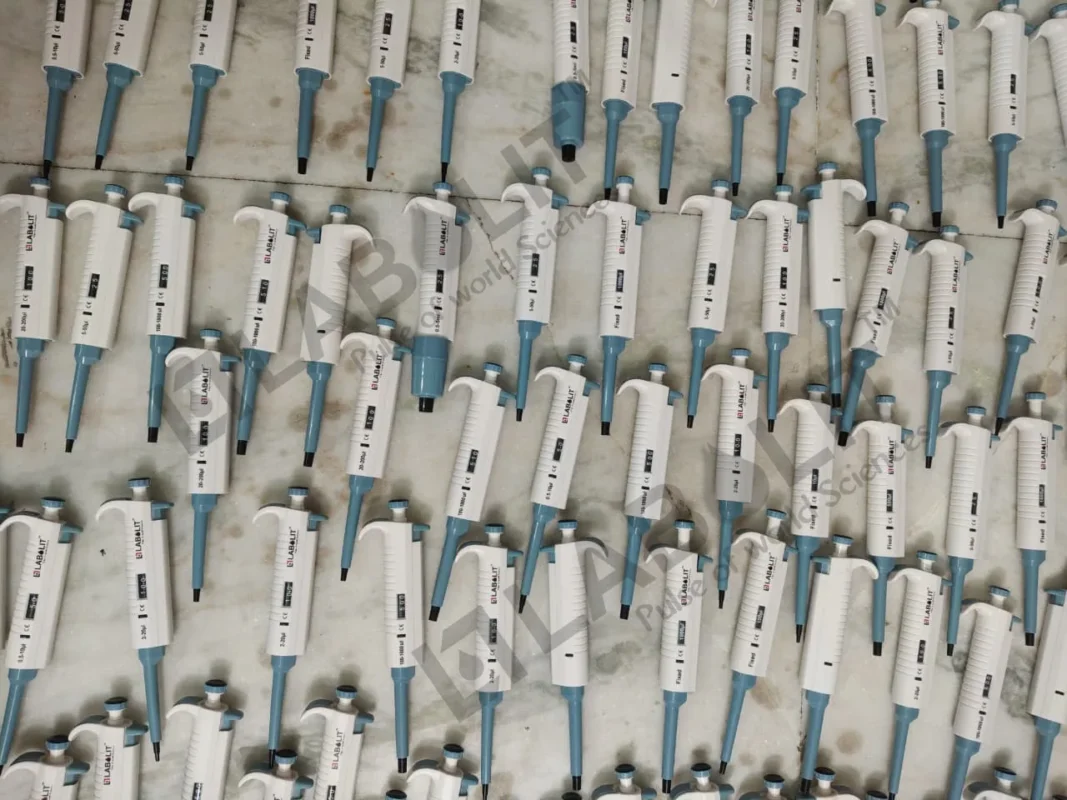
Proper maintenance of micropipettes is crucial for longevity and accuracy in Indian laboratories. Labolit offers free micropipette maintenance, including cleaning, lubrication, and calibration, setting them apart as the leading manufacturer.
Regular cleaning prevents contamination; use 70% ethanol for external wipe-downs. Disassembly for internal cleaning should follow manufacturer guidelines.
Calibration checks volume accuracy using gravimetric methods. Labolit’s service ensures compliance.
Storage in upright positions avoids damage. In humid Indian climates, desiccant use helps.
Troubleshooting common issues like leaks involves seal inspection. Labolit’s free maintenance resolves these promptly.
As a pipette manufacturer, Labolit provides training resources on their website.
Daily Cleaning Routines for Micropipettes
Daily wipes with mild detergents remove residues. Autoclaving tips maintains sterility.
In high-use labs, this prevents cross-contamination.
External Cleaning Methods
Use lint-free cloths with alcohol for surfaces.
Internal Decontamination Procedures
Flush with distilled water, dry thoroughly.
Tip Replacement Best Practices
Change tips per sample to avoid carryover.
Storage Tips to Prevent Damage
Upright racks in dust-free areas.
Calibration and Accuracy Checks
Calibration verifies performance. Labolit’s free service uses certified balances.
Frequency depends on usage; monthly for intensive labs.
Gravimetric Calibration Techniques
Weigh dispensed water, calculate errors.
Frequency of Calibration in Labs
Adjust based on experiment criticality.
Tools Needed for Calibration
Analytical balances and certified tips.
Common Calibration Errors to Avoid
Ignore temperature effects on volume.
Troubleshooting Common Micropipette Issues
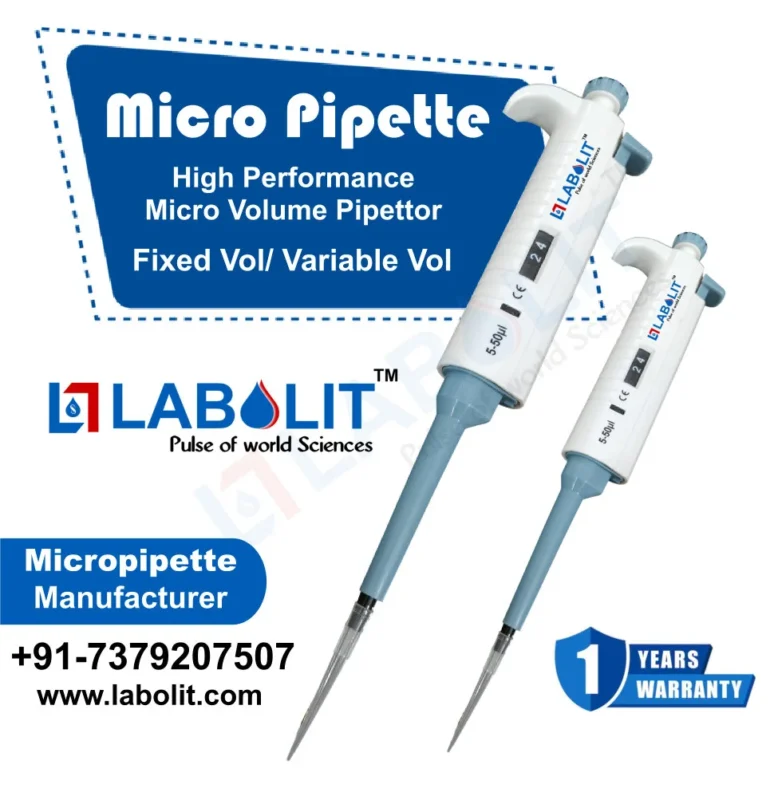
Address leaks by checking O-rings. Inaccurate volumes signal recalibration needs.
Labolit’s support resolves these efficiently.
Handling Leaks and Blockages
Disassemble, clean pistons.
Fixing Inaccurate Volume Dispensing
Recalibrate or replace parts.
Dealing with Ergonomic Wear and Tear
Inspect grips, replace if worn.
When to Seek Professional Maintenance
For complex issues, use Labolit’s free service.
Why Choose Labolit: The Leading Micropipette Manufacturer in India and Worldwide
Labolit distinguishes itself as the top pipette manufacturer through innovation, affordability, and customer support. With prices starting at 700 INR, their micropipettes suit all budgets.
Global reach exports to over 50 countries, maintaining quality.
Sustainability practices include eco-friendly materials.
Customer testimonials highlight reliability in Indian labs.
Visiting Labolit’s website offers product details and ordering.
Labolit’s Product Range and Innovations
From basic to advanced models, all with free maintenance.
Innovations include digital interfaces.
Entry-Level Micropipettes at 700 INR
Affordable yet precise for students.
Premium Models for Advanced Labs
Multi-channel with automation.
Customizable Options Available
Tailor volumes and colors.
Latest Technological Advancements
Integrated error-detection systems.
Benefits of Labolit’s Free Maintenance Services
Free maintenance covers all aspects, ensuring uptime.
On-site services in major cities.
What Free Maintenance Includes
Cleaning, calibration, repairs.
How to Avail the Service
Contact via website or phone.
Long-Term Cost Savings
Reduces replacement needs.
Customer Success Stories
Labs report 50% extended lifespan.
Global Reach and Sustainability Efforts
Exports worldwide, with green manufacturing.
Labolit’s Presence in India
Factories in Lucknow, distribution nationwide.
International Exports and Standards
Compliant with CE, FDA.
Eco-Friendly Manufacturing Practices
Recyclable components.
Community Support Initiatives
Training programs for labs.
Keywords for Labolit: Micropipette Manufacturer, Pipette Manufacturer, Affordable Micropipettes in India
Incorporate like micropipette manufacturer India, leading pipette manufacturer worldwide, Labolit micropipette price 700 INR, free micropipette maintenance Labolit, PCR techniques with Labolit pipettes.
For more information, visit Labolit’s website.
Contact Details:
Sales Department: +91 7347707507 | 7379207507
Email: sales.labolit@gmail.com, sales.umascientific@gmail.com
Purchase Department: +91 7348107507
Complaint Department: +91 7408107507