Pipette vs Pipetta vs Pipettor: What Is the Difference?


In laboratory environments, accurate liquid handling is essential for reliable results. During research, diagnostics, or routine testing, you may hear terms like pipette, pipetta, and pipettor used interchangeably. This often creates confusion, especially for new laboratory professionals and buyers.
This blog clearly explains the difference between pipette vs pipetta vs pipettor, their meanings, usage, and which term is technically correct in laboratory science.
What Is a Pipette?
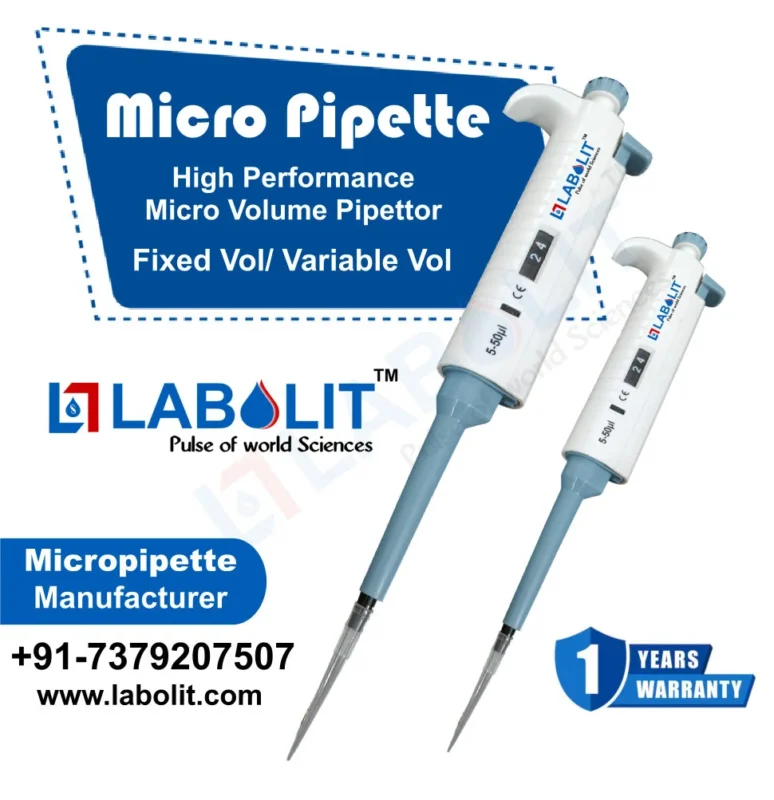
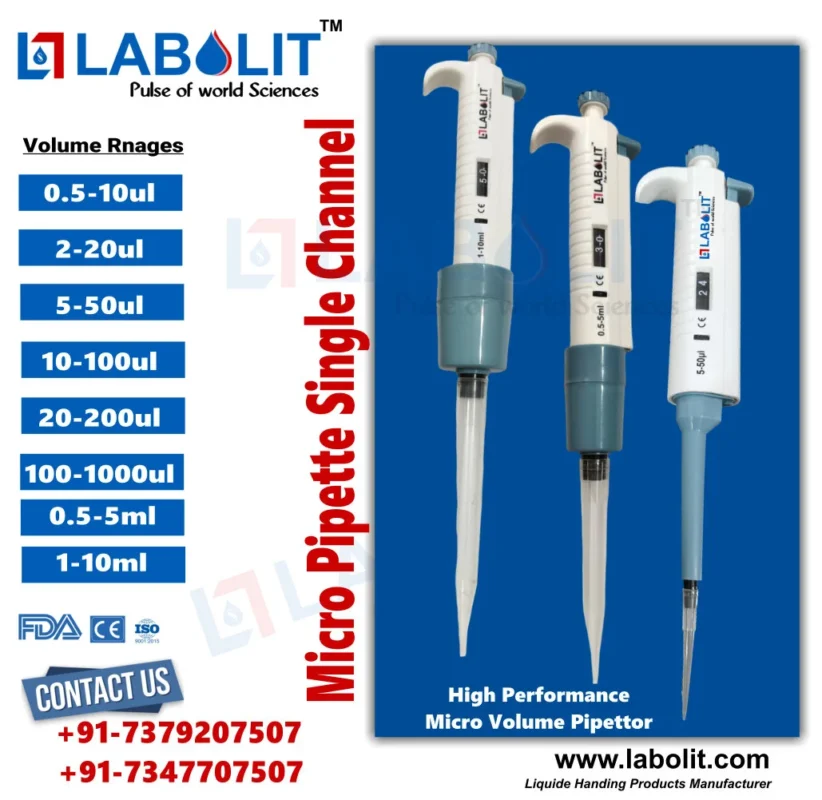
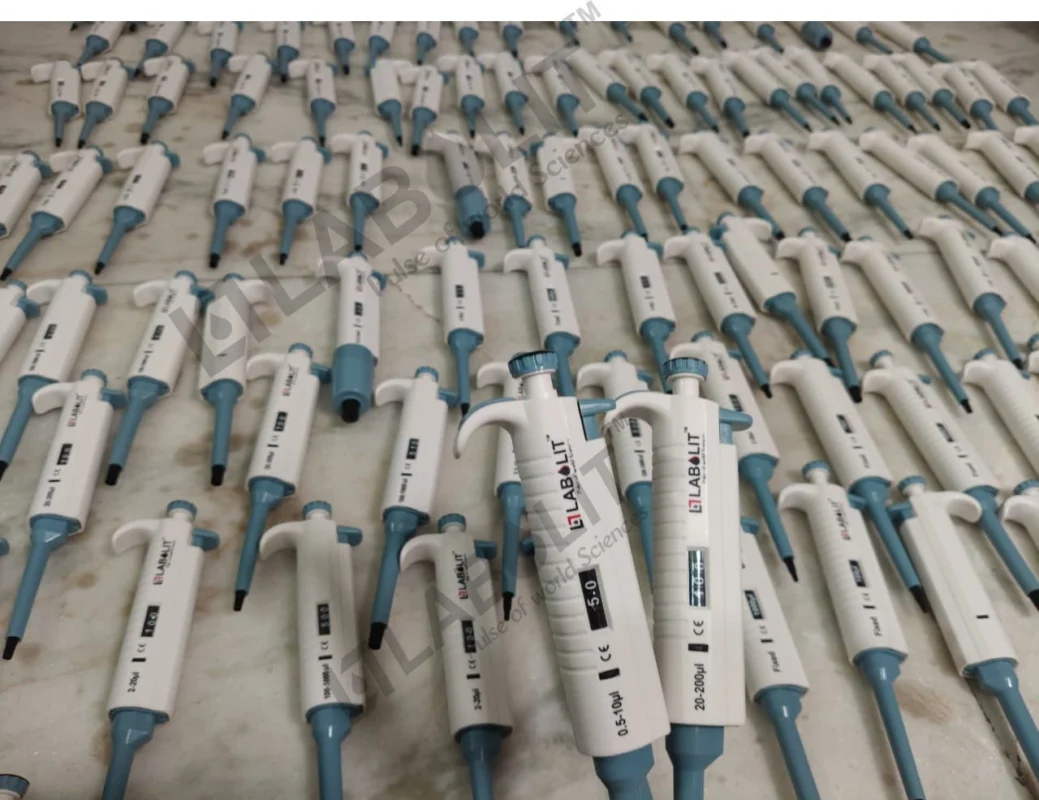
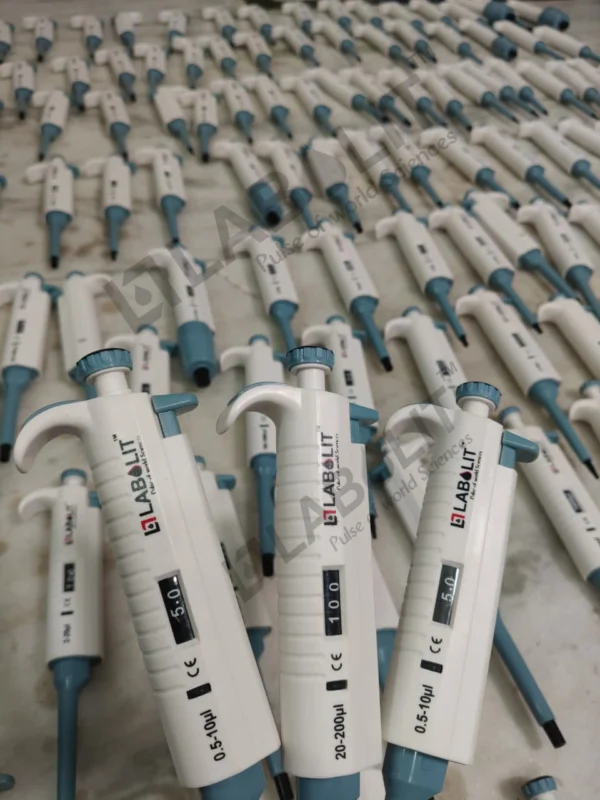
A pipette is the standard and scientifically accepted term for a laboratory instrument used to measure and transfer precise volumes of liquid. Pipettes are widely used in pathology labs, pharmaceutical companies, biotechnology labs, research institutes, and educational laboratories.
Pipettes are designed for accuracy, repeatability, and ease of use. They are essential in experiments where even a small volume error can affect results.
Common Types of Pipettes
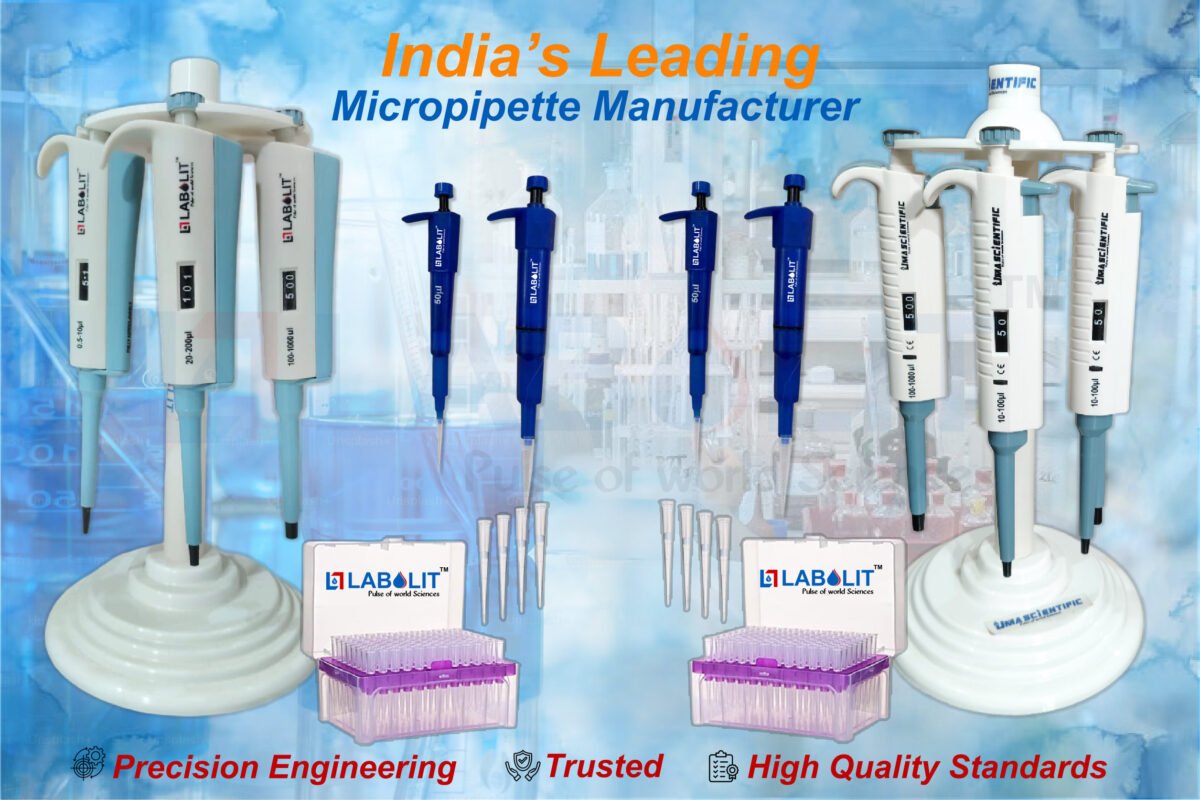
- Micropipette
- Volumetric pipette
- Graduated pipette
- Fixed volume pipette
- Variable volume pipette
- Multichannel pipette
Among these, micropipettes are the most commonly used in modern laboratories.
What Is Pipetta?
Pipetta is not a technically different instrument. It is simply a regional or linguistic variation of the word pipette. The term “pipetta” is often used in countries where English is influenced by European languages or local pronunciation.
In practical laboratory usage:
- Pipetta = Pipette
- Function, design, and usage remain the same
There is no separate category of instrument officially called a “pipetta” in scientific standards.
What Is a Pipettor?
A pipettor refers to the mechanical device used to operate a pipette, especially in the case of micropipettes. In many modern laboratories, the word “pipettor” is commonly used in place of “micropipette,” particularly in North America.
Technically speaking:
- Pipette → the instrument concept
- Pipettor → the handheld mechanical device
However, in daily laboratory practice, pipettor and micropipette are used interchangeably.
Pipette vs Pipetta vs Pipettor: Key Differences
| Term | Meaning | Technical Difference |
|---|---|---|
| Pipette | Standard scientific term | Correct & universal |
| Pipetta | Linguistic variation | Same as pipette |
| Pipettor | Mechanical pipette device | Same function |
In real laboratory use, all three terms refer to liquid handling instruments used for precise volume transfer.
Which Term Is Correct for Laboratories?
From a scientific and SEO perspective:
- Pipette is the most correct and widely accepted term
- Pipettor is commonly used in practice, especially for micropipettes
- Pipetta is an alternative spelling or pronunciation
For professional communication, documentation, and product labeling, pipette is the preferred term
Applications of Pipettes / Pipettors in Laboratories
Pipettes and pipettors are used across many industries, including:
- Pathology and diagnostic laboratories
- Pharmaceutical research and production
- Biotechnology and molecular biology
- Academic and research institutions
- Quality control and industrial testing
They ensure accurate liquid measurement in procedures such as PCR, sample preparation, reagent mixing, and chemical analysis.
Choosing the Right Pipette or Pipettor

When selecting a pipette or pipettor, consider:
- Volume range required
- Fixed or variable volume
- Single or multichannel use
- Ergonomic design
- Calibration stability
- Autoclavable components
Why High-Quality Pipettes Matter
Using low-quality pipettes can lead to:
- Inaccurate results
- Sample contamination
- Operator fatigue
- Frequent recalibration
A best-in-class pipette or pipettor improves laboratory efficiency, accuracy, and confidence in results.
Conclusion
There is no functional difference between pipette, pipetta, and pipettor. All terms refer to instruments used for precise liquid handling in laboratories. However, pipette remains the technically correct and globally accepted term, while pipettor and pipetta are commonly used alternatives.
Keywords
pipette, pipettor, pipetta, pipette vs pipettor, pipette vs pipetta, micropipette, laboratory pipette, liquid handling equipment, pipette manufacturer in India, best pipette brand, lab pipettor, scientific pipette