Micropipette Use: Complete Guide to Proper Pipetting, Applications & Best Practices


Micropipette use is an essential part of accurate liquid handling in modern laboratories. A micropipette allows laboratory professionals, researchers, students and technicians to aspirate and dispense very small quantities of liquid with controlled volume and precision.
Correct pipetting technique is important because even a small volume error can affect experimental results, reagent concentrations and sample preparation. Choosing the correct pipette, using compatible tips and following proper pipetting procedures can significantly improve laboratory accuracy and repeatability.
LABOLIT Private Limited provides laboratory liquid-handling solutions including single-channel micropipettes, multichannel micropipettes, micropipette tips, stands and other laboratory instruments for professional laboratory applications.
What Is a Micropipette?
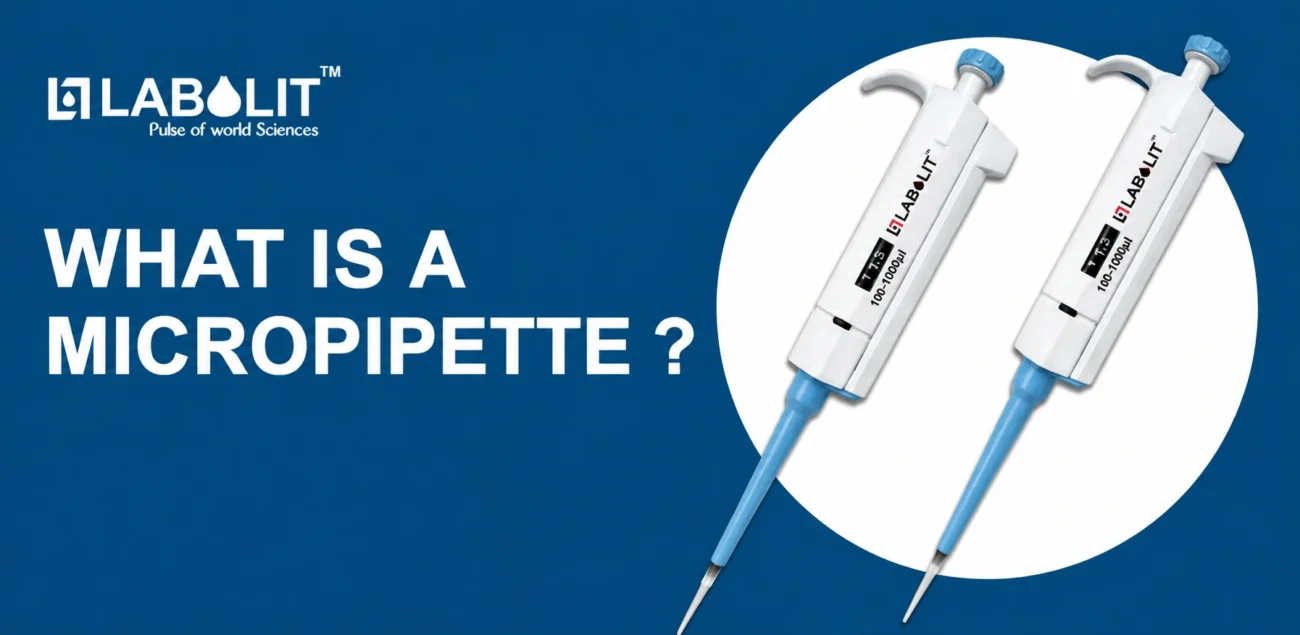
A micropipette is a precision liquid-handling instrument designed to measure and transfer small quantities of liquid, commonly expressed in microliters (µL).
Most laboratory micropipettes use disposable tips. The user selects the required volume, attaches an appropriate tip, aspirates the liquid and then dispenses it into another container.
Depending on the design, micropipettes can be:
- Fixed-volume micropipettes
- Variable-volume micropipettes
- Single-channel micropipettes
- Multichannel micropipettes
- Manual micropipettes
- Electronic pipettes
The correct type depends on the laboratory application, required volume and workflow.
What Is a Micropipette Used For?

The primary purpose of a micropipette is accurate liquid transfer.
Common micropipette use includes transferring:
- Laboratory reagents
- Biological samples
- DNA and RNA solutions
- Enzymes
- Buffers
- Chemical solutions
- Cell culture media
- Diagnostic samples
- PCR components
- Microplate reagents
Micropipettes are especially useful when the required liquid volume is too small to measure conveniently with conventional laboratory glassware.
Micropipette Use in Different Laboratories
The applications of micropipettes vary across different scientific and healthcare sectors.
Micropipette Use in Biotechnology
Biotechnology laboratories frequently use micropipettes for DNA, RNA, protein and enzyme-related workflows.
Typical applications include:
- DNA preparation
- RNA handling
- PCR setup
- Enzyme reactions
- Molecular biology experiments
- Sample preparation
- Buffer preparation
Accurate pipetting is particularly important when working with small reaction volumes.
Micropipette Use in Pharmaceutical Laboratories
Pharmaceutical laboratories use micropipettes during research, development, testing and quality-control activities.
Applications can include:
- Reagent preparation
- Sample dilution
- Analytical procedures
- Formulation research
- Assay preparation
- Quality-control testing
The appropriate pipette should be selected according to the required volume and laboratory procedure.
Micropipette Use in Diagnostic Laboratories
Diagnostic laboratories use micropipettes for controlled handling of samples and reagents.
Depending on the diagnostic workflow, micropipettes may be used for:
- Sample preparation
- Reagent dispensing
- Dilution procedures
- Test setup
- Microplate applications
Consistent pipetting helps maintain reproducibility between samples.
Micropipette Use in Microbiology
In microbiology, micropipettes can be used for transferring cultures, reagents, buffers and other liquid samples.
Applications may include:
- Microbial culture work
- Serial dilution
- Sample preparation
- Reagent transfer
- Research procedures
Appropriate sterile techniques should always be followed when handling biological materials.
Micropipette Use in Educational Laboratories
Micropipettes are also important laboratory training tools. Students learn:
- Volume selection
- Pipette reading
- Tip attachment
- Liquid aspiration
- Dispensing technique
- Proper pipette handling
- Laboratory safety
Learning correct pipetting technique at an early stage helps students develop reliable laboratory practices.
How to Use a Micropipette?
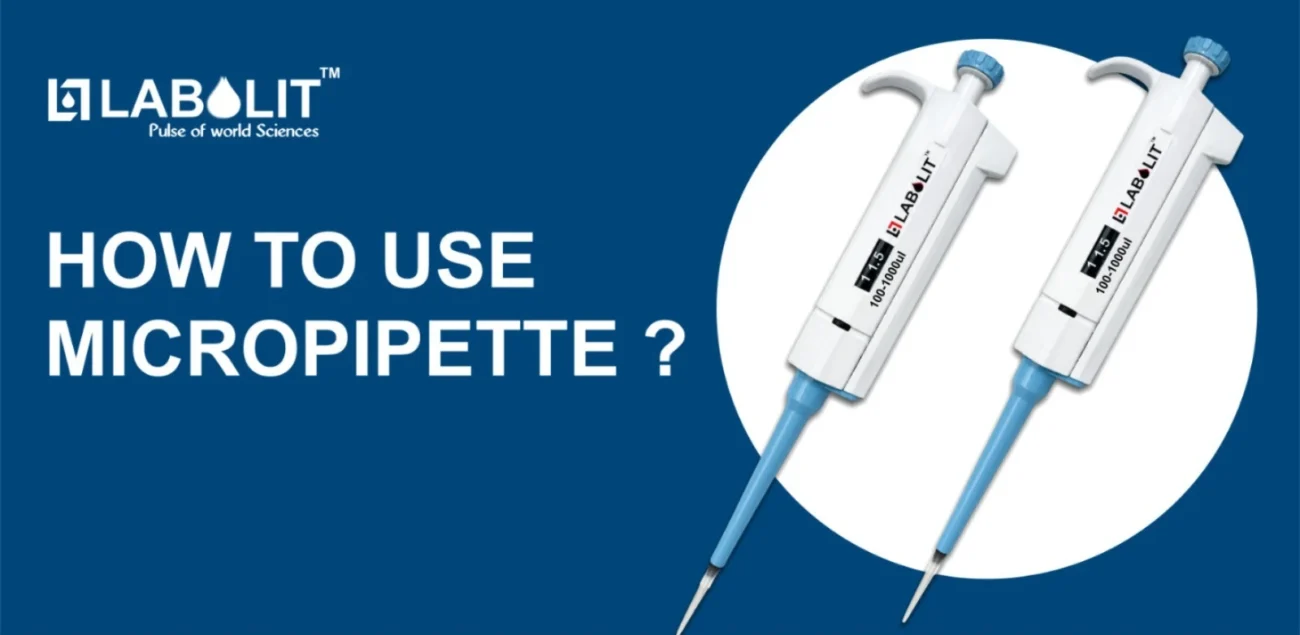
Correct micropipette use requires a systematic technique.
Step 1: Select the Correct Micropipette
Choose a micropipette whose operating range includes the required volume.
For example, if a sample requires 100 µL, use a pipette designed to operate around that volume rather than using a pipette outside its specified range.
Step 2: Set the Required Volume
Adjust the volume-setting mechanism until the required volume appears on the display.
Always verify the selected volume before beginning the procedure.
Step 3: Attach the Micropipette Tip
Attach a compatible disposable tip securely to the pipette nozzle.
The tip should fit properly without excessive force.
Step 4: Press the Plunger
Press the plunger smoothly to the appropriate stop according to the pipetting technique recommended for the application.
Step 5: Aspirate the Liquid
Place the tip into the liquid at an appropriate depth.
Slowly release the plunger to aspirate the required volume.
Avoid rapid or jerky plunger movement because it can affect liquid uptake.
Step 6: Move to the Receiving Vessel
Move the micropipette to the destination container while keeping the tip secure and avoiding unnecessary contact with other surfaces.
Step 7: Dispense the Liquid
Press the plunger smoothly to dispense the liquid.
Follow the manufacturer’s recommended dispensing technique for the specific micropipette.
Step 8: Eject the Tip
After completing the transfer, use the tip-ejection mechanism to remove the disposable tip.
Dispose of used tips according to the laboratory’s waste-management procedures.
Micropipette Forward Pipetting Technique
Forward pipetting is commonly used for routine liquid transfer.
The general principle is:
- Press the plunger to the first stop.
- Place the tip into the liquid.
- Slowly release the plunger.
- Allow the liquid to enter the tip.
- Move to the receiving vessel.
- Press the plunger to dispense the liquid.
- Continue to the second stop if required by the pipette design.
- Remove the tip from the vessel.
The exact technique should follow the manufacturer’s operating instructions.
Reverse Pipetting
Reverse pipetting can be useful for certain liquids, particularly when handling liquids that are difficult to pipette consistently.
The technique involves aspirating a slightly larger amount than the nominal volume and dispensing the required volume while retaining the excess liquid in the tip.
Reverse pipetting may be useful for:
- Viscous liquids
- Foaming liquids
- Difficult-to-pipette samples
- Certain repetitive dispensing applications
The appropriate method depends on the liquid characteristics and laboratory SOP.
Choosing the Right Micropipette for the Application
Correct micropipette selection is one of the most important factors affecting pipetting performance.
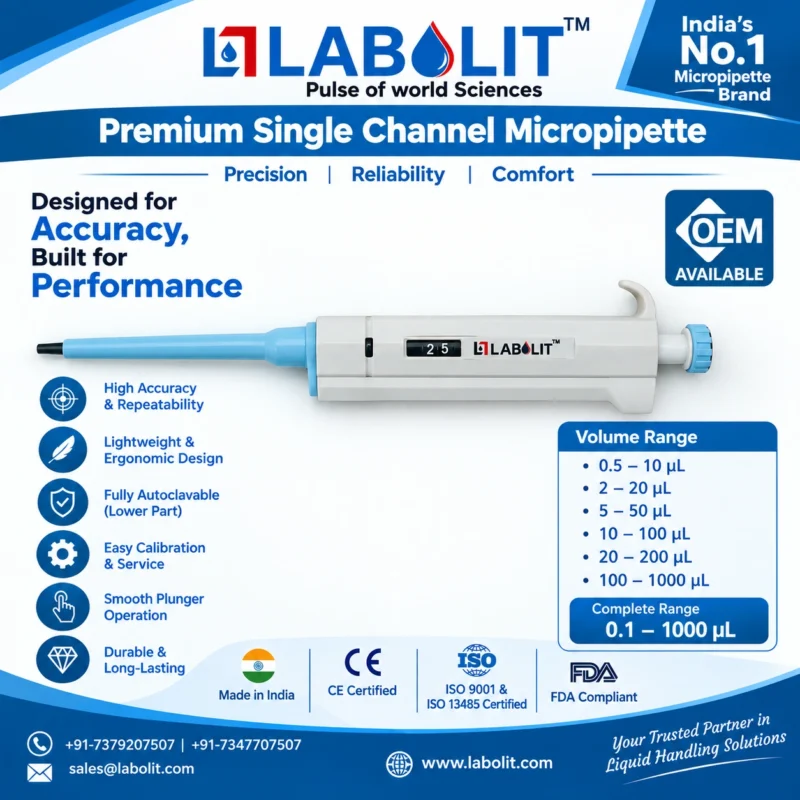
Single Channel Micropipette

A single channel micropipette is suitable for transferring liquid from individual samples or containers.
It is commonly used for:
- Routine laboratory work
- Sample preparation
- Reagent transfer
- Molecular biology
- Research applications
Multichannel Micropipette

A multichannel micropipette has multiple channels and can transfer liquid into several wells simultaneously.
It is particularly useful for:
- Microplates
- ELISA workflows
- PCR plates
- Serial dilution
- High-throughput laboratory applications
An 8-channel or 12-channel configuration can reduce repetitive pipetting and improve workflow efficiency.
Selecting the Correct Micropipette Volume
Always select a pipette that is appropriate for the required volume.
Common laboratory ranges include:
- 0.1–2 µL
- 0.5–10 µL
- 2–20 µL
- 5–50 µL
- 10–100 µL
- 20–200 µL
- 100–1000 µL
- 1000–5000 µL
- Up to 10,000 µL for suitable applications
For best performance, avoid routinely operating a pipette at the extreme end of its range when a more suitable volume-range model is available.
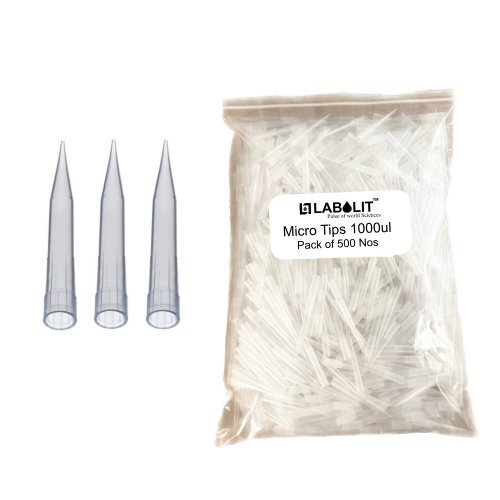
Importance of Micropipette Tips
Micropipette tips are an essential part of accurate pipetting.
A tip should:
- Fit the pipette correctly
- Provide a proper seal
- Be compatible with the pipette model
- Be appropriate for the liquid
- Meet sterility requirements when necessary
Poorly fitting or unsuitable tips can contribute to inaccurate liquid transfer.
Why Should Tips Be Changed?
Disposable tips should generally be changed between samples or procedures when required to prevent:
- Cross-contamination
- Sample carryover
- Reagent contamination
- Experimental errors
Laboratories should follow their own SOPs for tip replacement and contamination control.
Micropipette Reading
Correct micropipette reading is necessary before starting any pipetting operation.
The user should check:
- Selected volume
- Pipette volume range
- Display digits
- Unit of measurement
- Compatibility with the required application
Never assume that the same display format applies to every pipette model. Always refer to the manufacturer’s specifications.
Micropipette Calibration and Accuracy
Micropipette calibration helps verify whether a pipette is delivering the expected volume.
Regular performance verification can help identify:
- Volume deviations
- Mechanical problems
- Seal-related issues
- Performance changes caused by use or handling
Calibration requirements depend on the laboratory’s quality system, usage frequency, application risk and applicable standards or procedures.
For laboratories where accurate liquid measurement is critical, maintaining an appropriate calibration and verification program is essential.
Common Micropipette Use Mistakes
Incorrect pipetting technique can reduce accuracy.
Using the Wrong Volume Range
Never set a micropipette above or below its specified operating range.
Using an Incorrect Tip
An incompatible tip may not seal correctly and can affect liquid delivery.
Releasing the Plunger Too Quickly
Rapid aspiration can introduce bubbles or inconsistent liquid uptake.
Holding the Pipette Incorrectly
The pipette should be handled comfortably and consistently according to the manufacturer’s recommended technique.
Touching the Tip to Contaminated Surfaces
Avoid unnecessary contact between the tip and laboratory surfaces.
Reusing Disposable Tips Improperly
Reusing tips can create contamination and accuracy problems unless a specific validated procedure permits it.
Ignoring Calibration
A pipette that is used frequently should be included in the laboratory’s performance verification and calibration program as appropriate.
Micropipette Care and Maintenance
Proper care can help maintain reliable performance.
Recommended practices include:
- Keep the pipette clean.
- Store it properly when not in use.
- Use a suitable micropipette stand.
- Avoid dropping the instrument.
- Do not force the volume adjustment mechanism.
- Use compatible tips.
- Follow the manufacturer’s cleaning instructions.
- Inspect the pipette periodically.
- Perform calibration or verification according to laboratory requirements.
- Follow manufacturer instructions for sterilization and autoclaving.
Micropipette Safety Precautions
Micropipettes should be used according to laboratory safety procedures.
Important precautions include:
- Wear appropriate laboratory PPE.
- Treat biological and chemical samples according to their hazards.
- Never pipette by mouth.
- Dispose of contaminated tips correctly.
- Avoid contact with hazardous liquids.
- Follow laboratory biosafety procedures.
- Clean spills according to the applicable SOP.
The pipette itself should also be compatible with the liquid being handled.
How Can Pipetting Accuracy Be Improved?
Several simple practices can improve consistency.
Use the Correct Pipette
Choose the volume range closest to the required working volume.
Use Quality Tips
A properly fitting tip improves sealing and liquid transfer consistency.
Maintain Consistent Technique
Use consistent plunger movement, immersion depth and dispensing technique.
Avoid Bubbles
Air bubbles can affect the volume transferred.
Maintain Proper Temperature Conditions
Liquid temperature and environmental conditions can influence pipetting performance, particularly for precision applications.
Calibrate and Verify Regularly
Use an appropriate laboratory calibration and verification schedule.
Micropipette Stand and Storage
A micropipette stand is a useful accessory for protecting pipettes when they are not being used.
Proper storage helps:
- Keep pipettes organized
- Reduce accidental damage
- Prevent unnecessary contamination
- Improve accessibility
- Maintain a clean working environment
Pipettes should generally be stored according to the manufacturer’s recommendations.
LABOLIT Micropipette Solutions
LABOLIT Private Limited offers laboratory liquid-handling products designed for a wide range of professional laboratory applications.
The LABOLIT range includes:
- Single-channel micropipettes
- Multichannel micropipettes
- Fixed-volume micropipettes
- Variable-volume micropipettes
- Micropipette tips
- Micropipette stands
- Other laboratory liquid-handling solutions
LABOLIT serves requirements across pharmaceutical, biotechnology, diagnostic, healthcare, research and educational sectors.
The company also supports bulk orders, dealer requirements, OEM/private-label opportunities and export enquiries.
Frequently Asked Questions About Micropipette Use
What is the main use of a micropipette?
The main use of a micropipette is accurate measurement and transfer of small volumes of liquid.
Where are micropipettes used?
Micropipettes are used in pharmaceutical, biotechnology, microbiology, molecular biology, diagnostic, research, healthcare and educational laboratories.
Can a micropipette be used for different volumes?
A variable-volume micropipette can be adjusted within its specified operating range. A fixed-volume micropipette is designed for a specific volume.
What is the difference between single-channel and multichannel micropipettes?
A single-channel micropipette transfers liquid through one tip, while a multichannel micropipette transfers liquid through multiple tips simultaneously.
Why are micropipette tips important?
Tips provide the liquid-contact interface between the pipette and sample. Correct tip fit and quality are important for reliable liquid transfer.
How often should a micropipette be calibrated?
Calibration frequency depends on laboratory procedures, usage, risk assessment and applicable quality requirements. High-use or critical applications may require more frequent verification.
Can micropipettes be autoclaved?
Some micropipette models are designed to be fully or partially autoclavable, while others are not. Always follow the manufacturer’s specifications.
Conclusion
Proper micropipette use is fundamental to accurate and reproducible laboratory liquid handling. The right volume range, compatible tip, correct pipetting technique, appropriate storage and regular performance verification all contribute to better results.
Whether a laboratory requires a single channel micropipette, multichannel micropipette, micropipette tips or a micropipette stand, selecting equipment according to the intended application is essential.
LABOLIT Private Limited provides laboratory liquid-handling solutions for professional users in India and international markets, with options for routine laboratory work, research, diagnostics, biotechnology, pharmaceutical applications and bulk/OEM requirements.
Sales & Orders: +91 7347707507 | +91 7379207507
Purchase: +91 7348107507
Complaint/Service: +91 7408107507
Email: sales.labolit@gmail.com
Website: labolit.com
micropipette, single channel micropipette, multichannel micropipette, micropipette tips, micropipette calibration, micropipette reading, micropipette stand, micropipette parts